Underwater Sculpture Park: Snorkeling in Grenada
The Underwater Sculpture Park: The Best Snorkeling in Grenada
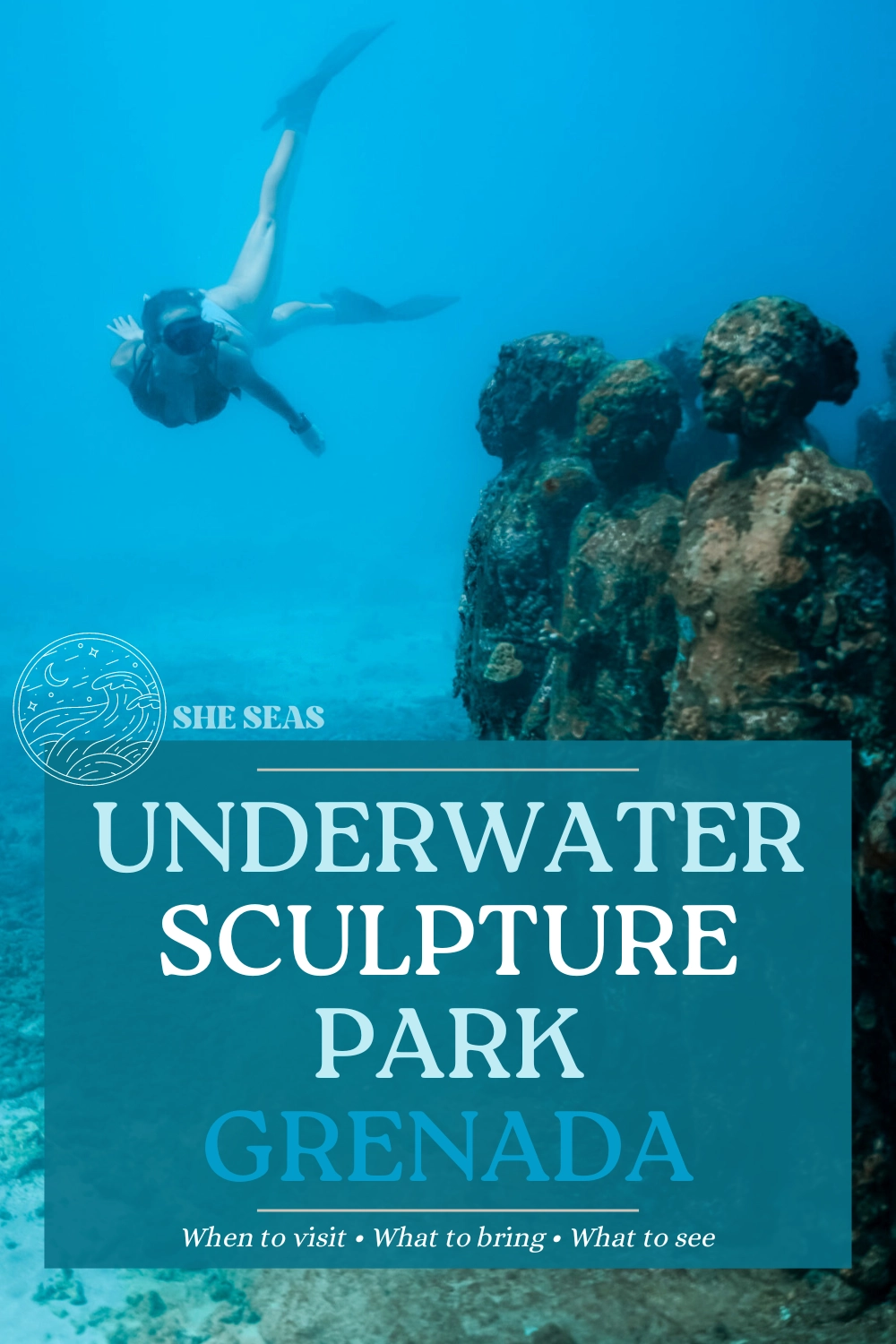
The Molinere Underwater Sculpture Park is one of the most memorable places to snorkel in Grenada: an evolving underwater gallery where art, Grenadian culture, and marine life meet.
We visited from our sailboat and explored the sculptures by snorkeling and freediving. This guide shares what the experience is actually like, how to visit responsibly, what to bring, and which sculptures to look for. Planning the rest of your island time? Start with my complete Grenada travel guide, then explore more diving and snorkeling inspiration in the Sport hub.
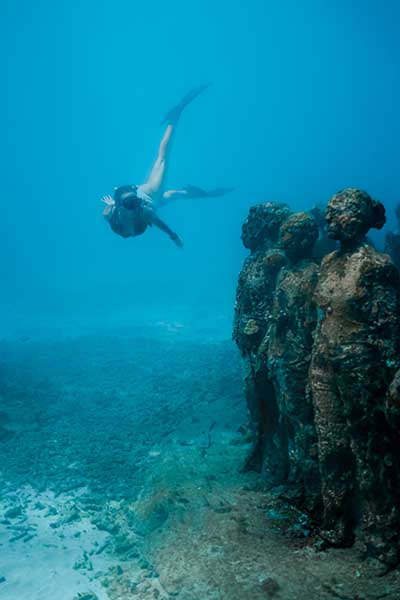
The park sits inside the Molinere Beauséjour Marine Protected Area. Its works are generally 5–8 meters (about 16–26 feet) below the surface, so snorkelers can see many pieces from above while confident freedivers can get closer without touching them.
Best Time to Visit the Underwater Sculpture Park
Grenada’s drier season generally runs from December through April, but the park can be visited year-round when sea conditions cooperate. For snorkeling, the day’s wind, swell, rain, and boat traffic often matter more than the month.
Early morning gave us the quietest experience and beautiful visibility before the tour boats arrived. Sunlight helps the sculptures stand out from the surface, but our visit also proved that an overcast or rainy morning can still be surprisingly clear.
We reached the park by tender from our sailboat. Current guidance for private boats is to use the designated moorings and never anchor in the marine protected area. If you are not arriving by boat, snorkeling, scuba, and glass-bottom-boat trips commonly depart from St. George’s and Grand Anse.
Check the forecast and confirm conditions with your operator before leaving. If the water is rough or visibility is poor, rescheduling will make the experience safer and far more enjoyable.
How to Visit: Tour, Dive Boat, or Private Vessel
Most visitors reach the park with a licensed snorkeling, scuba-diving, or glass-bottom-boat operator. Tours commonly leave from St. George’s or Grand Anse, both a short boat ride from Molinere Bay. A guide can also help you locate the sculptures, which are spread among sandy patches, gullies, and natural rock formations.
The Grenada Tourism Authority currently lists a marine protected area fee of EC$10. It may be included in an organized tour, but confirm when booking because prices and inclusions can change.
If you arrive on your own vessel, use the park’s moorings, keep clear of swimming areas and tour boats, and do not drop an anchor. For the official overview and current visitor information, check the Grenada Tourism Authority’s sculpture park page.
What to Bring Snorkeling
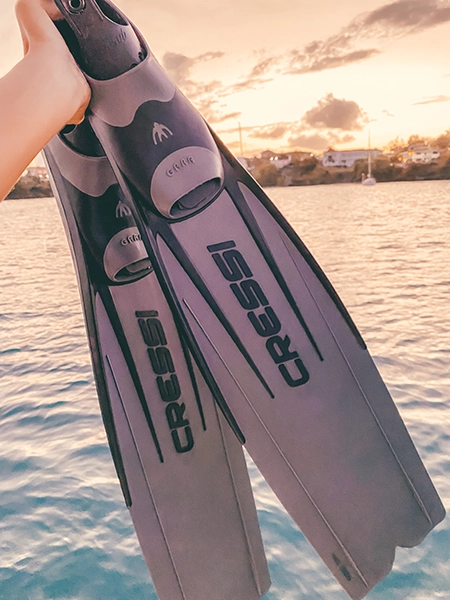
Bring a well-fitting mask, snorkel, and fins if you have your own, plus a rash guard or UPF protective clothing, reef-conscious sunscreen for exposed skin, drinking water, and a towel. An underwater camera is worth packing, but secure it with a wrist strap.
Many organized tours provide snorkel gear and flotation devices; verify what is included before booking. If you plan to freedive, bring a buddy and use normal freediving safety practices—never dive alone or hyperventilate before descending.
The Artist Behind the Magic: Jason deCaires Taylor
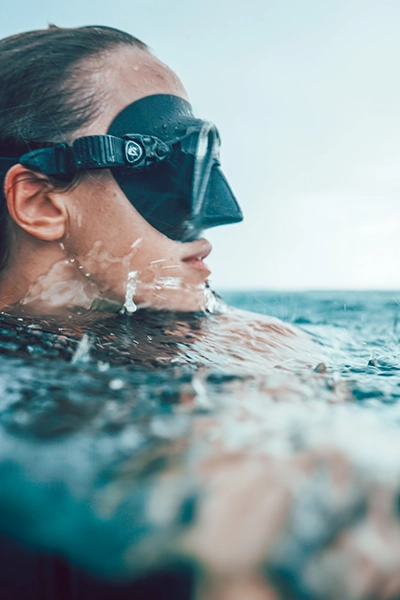
The Underwater Sculpture Park in Grenada is the brainchild of British sculptor Jason deCaires Taylor, who is renowned for his work that merges art with environmental activism. Taylor’s sculptures are not just artistic expressions but are designed to encourage coral growth and marine biodiversity, turning these installations into thriving artificial reefs over time.
In addition to the Grenada park, Taylor has created other underwater installations around the world. His most famous works include the Museo Subacuático de Arte (MUSA) in Cancun, Mexico, which features over 500 life-sized sculptures, and the Ocean Atlas in the Bahamas, which depicts a massive figure holding the ocean on her shoulders, symbolizing the weight of climate change on our world. Each of these installations serves as both a tourist attraction and a sanctuary for marine life, embodying Taylor’s commitment to conservation.
Credit: TED Talk: Jason Decaires Taylor
Sculptures to Look For in Molinere Bay
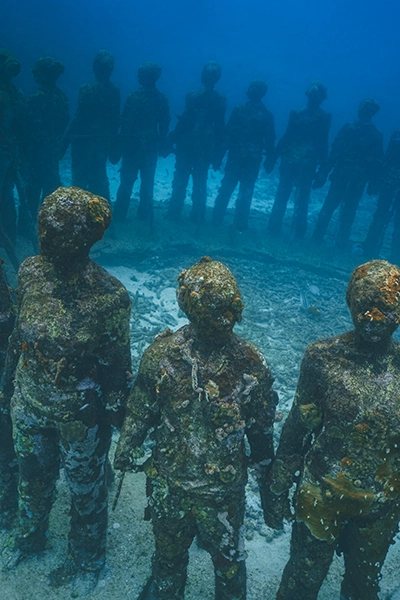
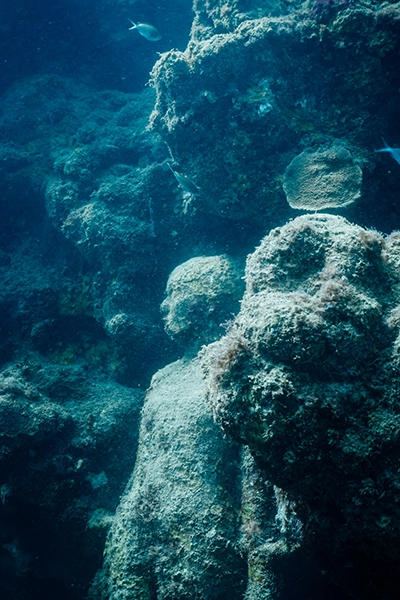
The original park contains 75 works spread across roughly 800 square meters. The best-known is Vicissitudes, a circle of 26 children holding hands that has gradually transformed as marine life settles on it.
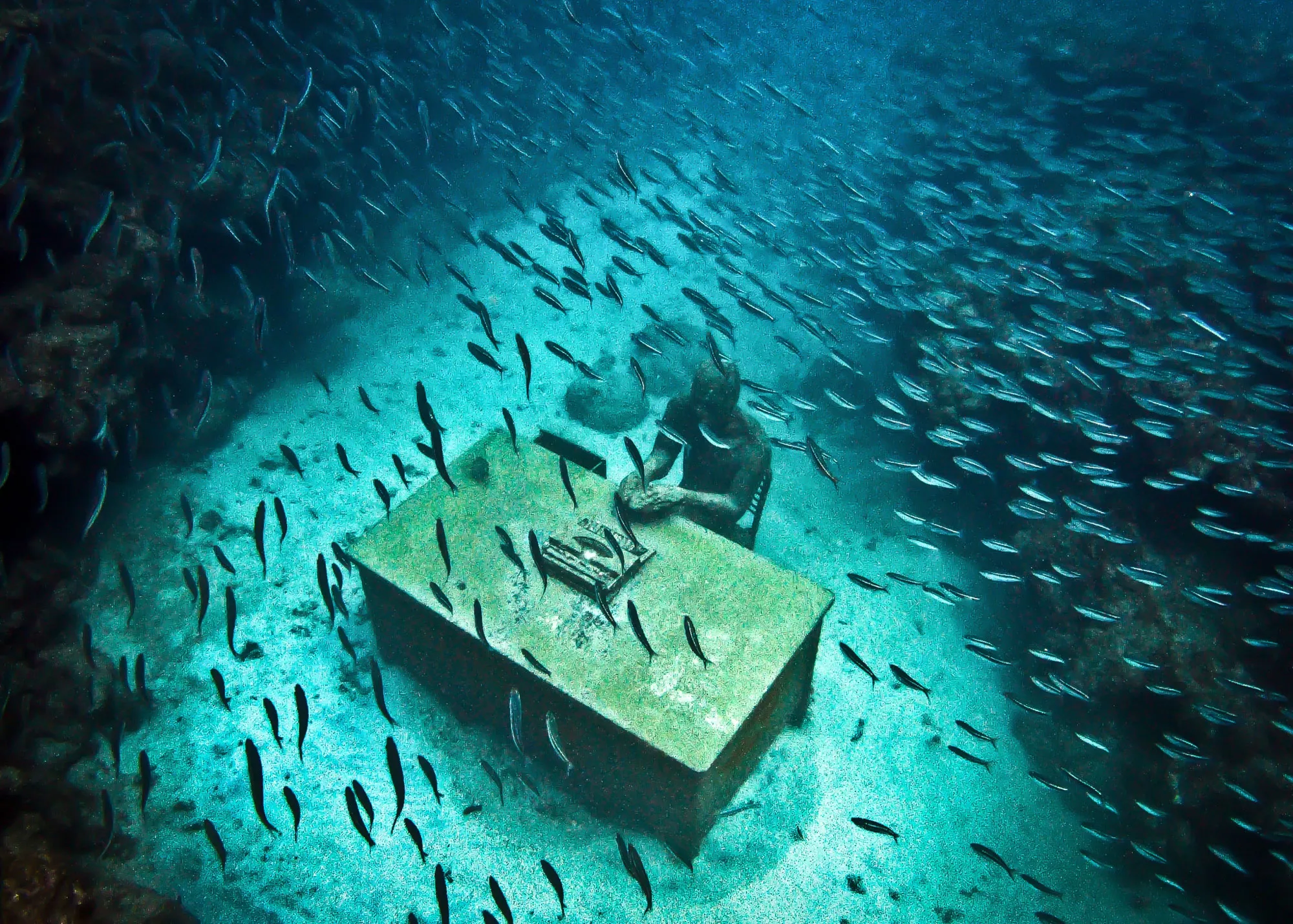
My personal favorite is The Lost Correspondent, a lone figure seated at a desk with a typewriter. Maybe it is because I am a writer, but the whole piece feels romantic, wistful, and a little melancholy.
Look for Grace Reef, a series of figures resting on the seafloor, along with Grenadian works including Sienna, Christ of the Deep, and the Nutmeg Princess. Part of the fun is scanning the sand and gullies until another figure slowly appears.
What’s new: the Molinere park expanded in 2023 with 27 additional artworks, including Jason deCaires Taylor’s 25-piece Coral Carnival. The installation celebrates Grenada’s Spicemas masqueraders and gives repeat visitors an entirely new group of sculptures to find. See the artist’s official Molinere project page for the current collection.
Creating a Reef: The Importance of the Sculpture Park
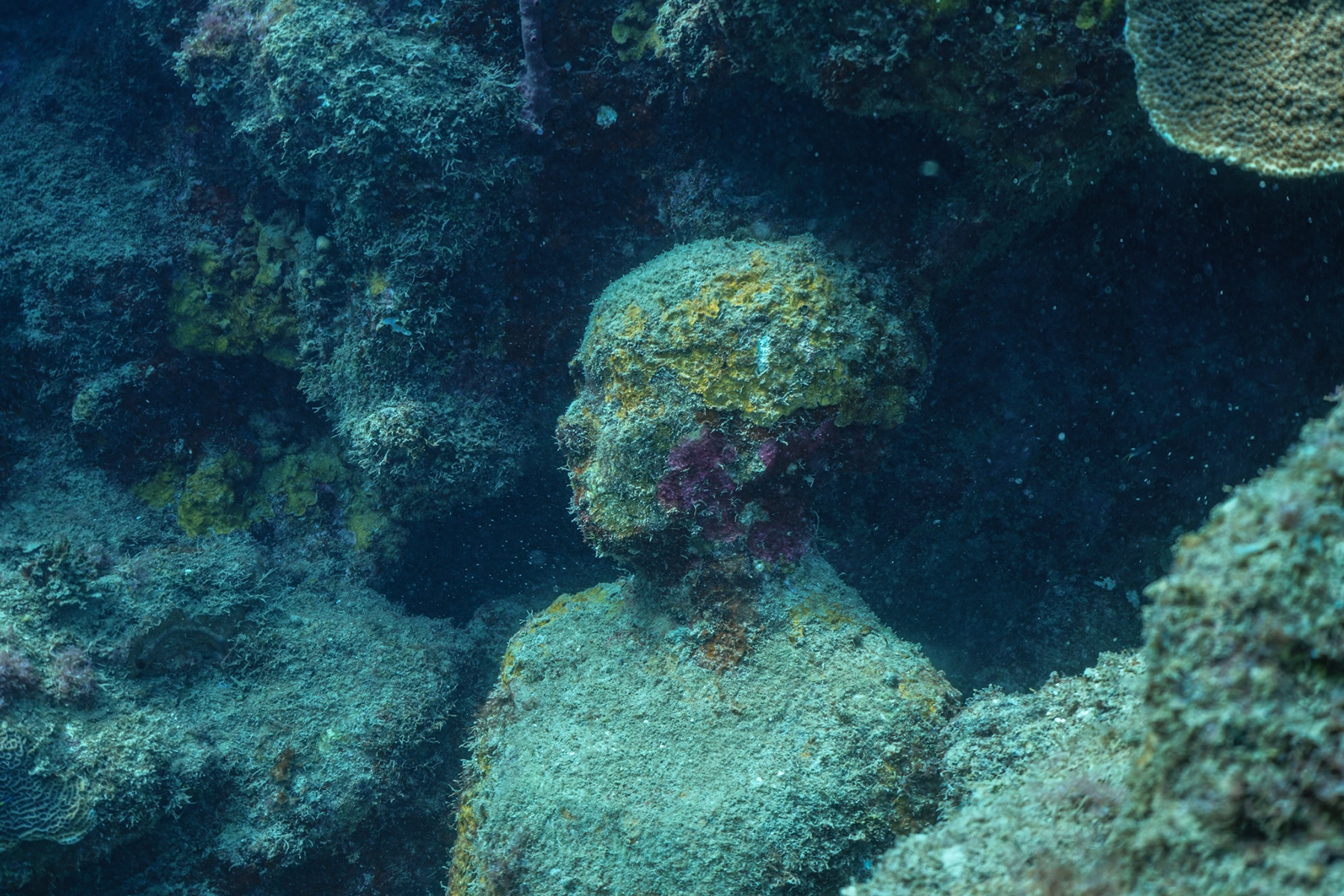
Jason deCaires Taylor’s underwater garden is more than just an artistic endeavor; it plays a critical role in marine conservation. The park was created in response to the damage caused by Hurricane Ivan in 2004, which devastated much of Grenada’s coral reefs. By installing these sculptures, the project aimed to provide a new habitat for marine life and help restore the reef ecosystem.
The sculptures are made from a special pH-neutral cement that encourages coral growth and is resistant to corrosion. Over time, these installations have become encrusted with corals, sponges, and algae, turning them into vibrant underwater gardens. The park has also become a haven for fish, sea urchins, and other marine creatures, contributing to the overall health of the marine environment in Molinere Bay.
In addition to its ecological benefits, the Sculpture Park also helps to alleviate the pressure on Grenada’s natural reefs by attracting tourists to an alternative site. This reduces the impact of snorkeling and diving activities on the island’s fragile coral reefs, helping to preserve them for future generations.
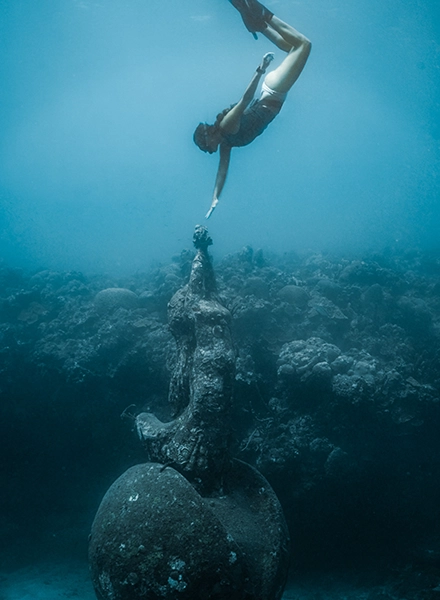
Definitely don’t touch the sculptures or reefs in general. I wanted a photo of us “reaching” to each other, but I would never actually touch. 😉
Sea Life You Might See - Snorkeling in Grenada
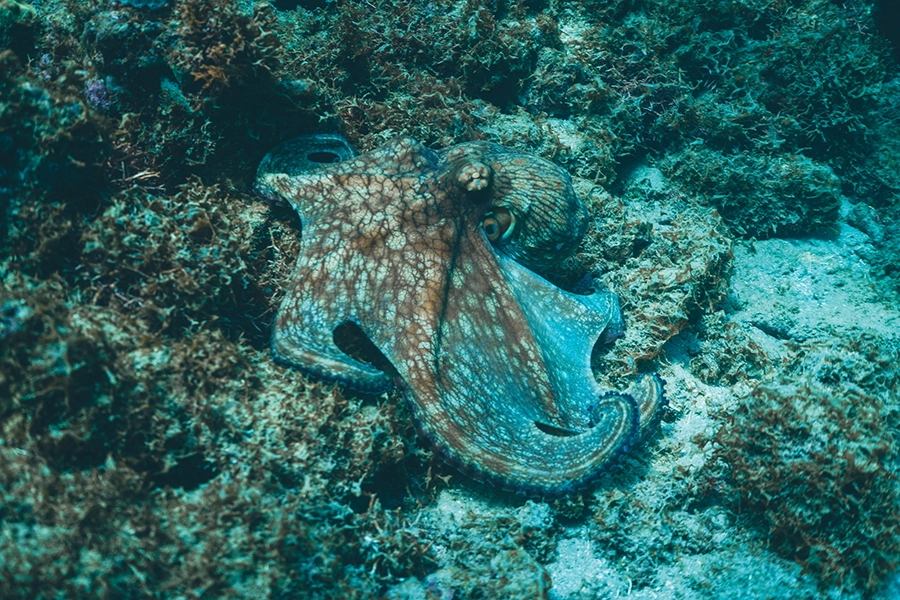
You can expect to see a variety of fish, coral, and other marine creatures that have made the sculptures their home. Common sightings include parrotfish, angelfish, and damselfish. We were lucky enough to see a large octopus coasting along the ocean floor!
Snorkeling, Freediving, and Scuba Diving: Which is best?
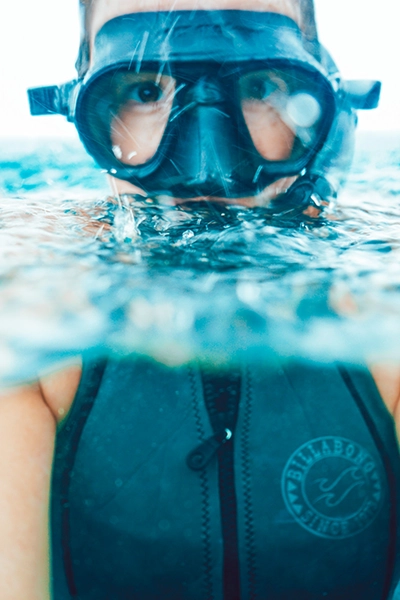
Snorkeling is the easiest and most popular way to explore. Many works are visible from the surface, although sunlight, visibility, and your position in the water affect how much detail you can see.
Freediving was our favorite option because it let us spend a few moments closer to the sculptures without hauling scuba gear. The works sit at different depths, so confident breath-hold divers can explore them gradually. Always dive with an attentive buddy, take full surface recoveries, and never touch or stand on the art.
Scuba diving gives you more time at depth and makes it easier to appreciate the deeper details. Because the official park depth is approximately 5–8 meters, it is a shallow dive, but visitors should still use a qualified operator and follow normal certification, equalization, and buoyancy requirements. Newer divers may appreciate the calm pace, while careful buoyancy protects both the sculptures and surrounding marine life.
More Snorkeling in Grenada
Grenada has a brilliant underwater world, and while the Underwater Sculpture Park is a huge highlight, there are several other great snorkeling sites around the island that offer equally mesmerizing experiences. If you want more time in the water, here’s a look at some of the top spots you should consider exploring.
Flamingo Bay
Located within the Molinière-Beauséjour Marine Protected Area, Flamingo Bay. This site is known for its crystal-clear waters, making it easy to spot the myriad of marine life that calls this area home. Expect to encounter colorful coral formations, sea fans, sponges, and a variety of tropical fish, including parrotfish, angelfish, and butterflyfish. The diversity and abundance of marine life here made it one of my favorite spots.
One of the unique features of Flamingo Bay is its sloping reef, which starts at just a few feet below the surface and gradually descends into deeper waters. This allows snorkelers to explore different levels of the reef, each teeming with life. The protected status of the marine area ensures that the ecosystem remains vibrant and healthy, offering a pristine snorkeling experience.
Dragon Bay
Adjacent to Flamingo Bay, Dragon Bay is another must-visit snorkeling site. This secluded cove offers a tranquil setting with calm waters, perfect for a relaxing snorkeling session. The bay is sheltered by rocky outcrops, providing a haven for marine life and making it an ideal spot for spotting a variety of species up close.
Dragon Bay is particularly famous for its diverse coral species, including brain coral, elkhorn coral, and sea fans. The shallow waters make it easy to observe the intricate details of these coral formations, which are home to numerous small fish and invertebrates. You might even spot a turtle gliding gracefully through the water or a moray eel peeking out from a crevice.
Sandy Island
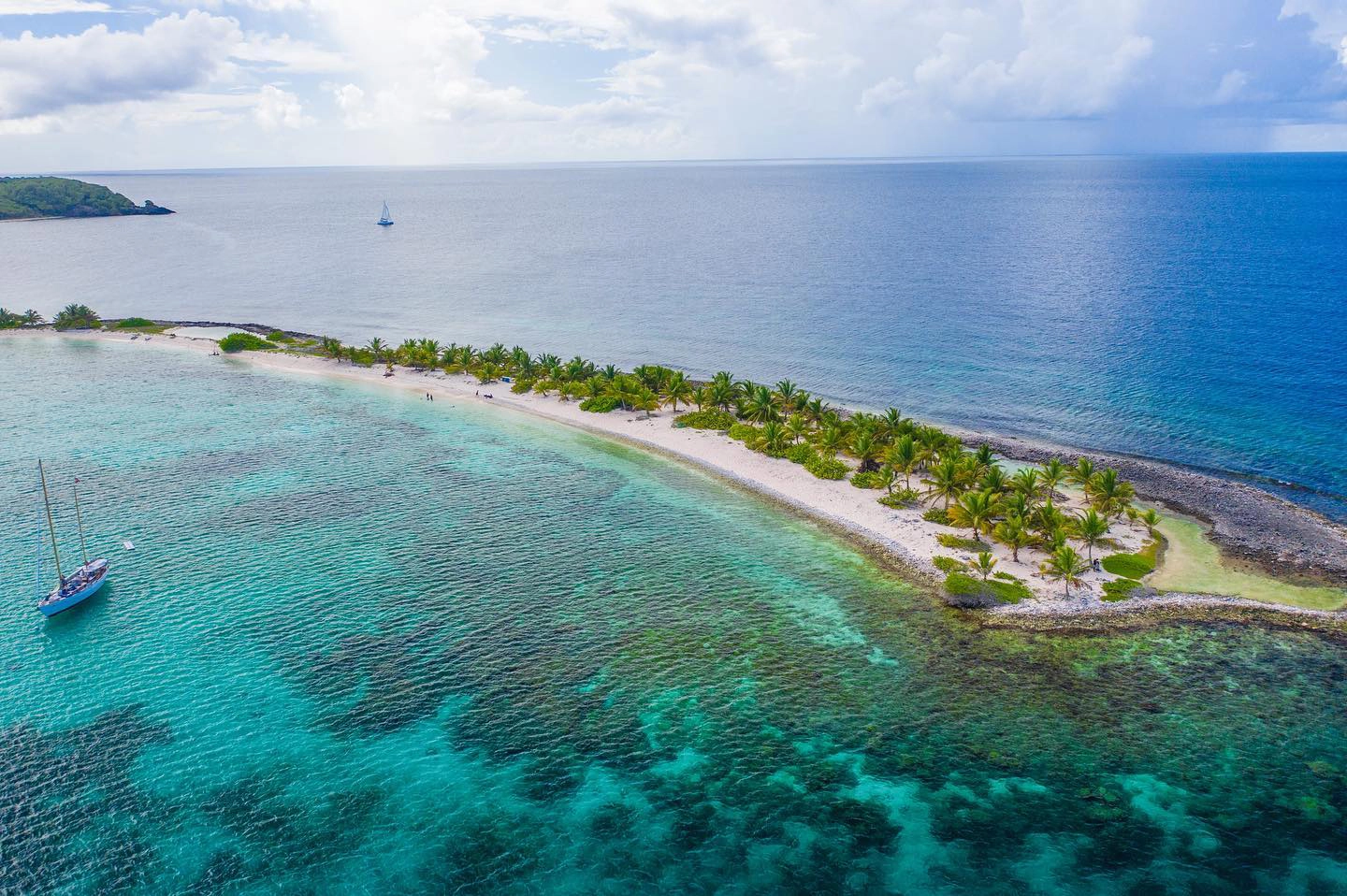
If you have time, I highly suggest taking a short boat ride on the ferry to Carriacou. Sandy Island is the perfect destination. Located off the coast of Carriacou, Sandy Island is a tiny, uninhabited island surrounded by crystal-clear waters and vibrant coral reefs and one of the best places for snorkeling.
The shallow waters have excellent visibility and an abundance of marine life. The reef is home to a variety of coral species, as well as tropical fish, rays, and sometimes even small sharks. The island itself is a picture-perfect paradise, with soft white sand and swaying palm trees, making it a great spot to relax after your snorkeling adventure.
La Sagesse Bay
For those who prefer a more off-the-beaten-path snorkeling experience, La Sagesse Bay offers a serene and secluded environment. This lesser-known gem is located on Grenada’s southeast coast and is part of the La Sagesse Nature Center. The bay’s calm, shallow waters are perfect for snorkeling, with a thriving ecosystem just waiting to be explored.
La Sagesse Bay is known for its healthy seagrass beds, which attract a variety of marine life, including sea turtles, stingrays, and a wide range of fish species. The bay’s tranquility and natural beauty make it a perfect spot for snorkelers seeking a peaceful and intimate experience with nature. After snorkeling, visitors can enjoy a leisurely stroll along the beach or a meal at the nearby eco-friendly restaurant.
Hog Island
Hog Island, located just off the southern coast of Grenada, offers a unique snorkeling experience in a more rustic and laid-back setting. This small, uninhabited island is accessible by boat or a short swim from the mainland, and it’s a popular spot for both locals and visitors looking to escape the crowds.
Hog Island is also a great place to spend the day, with its white sandy beaches, shaded picnic areas, and the famous “Roger’s Barefoot Beach Bar,” where you can enjoy a cold drink and some local fare after your snorkeling adventure.
Grand Anse Bay
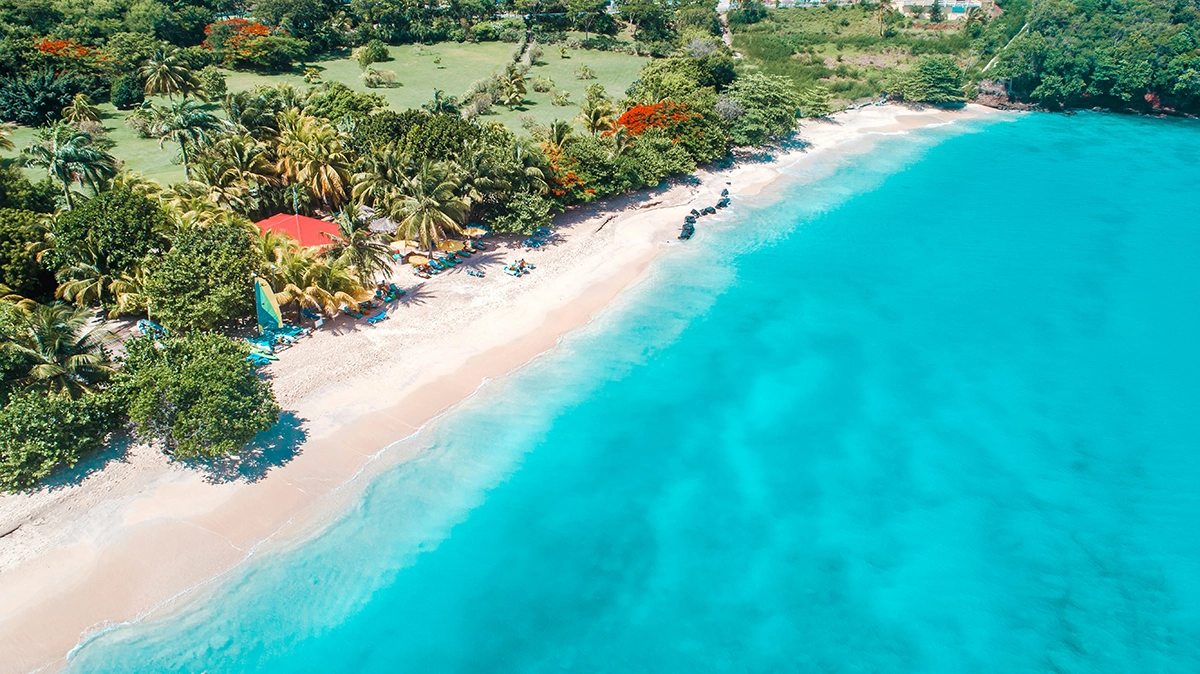
One of the best ways to unwind after snorkeling is to head over to Grand Anse Beach, arguably Grenada’s most famous beach. This two-mile stretch of powdery white sands is framed by calm turquoise waters, making it the ideal spot to relax, sunbathe, and take a refreshing dip. The gentle waves are perfect for a leisurely swim, and the beautiful beach is dotted with charming beach bars and restaurants where you can indulge in local cuisine, fresh seafood, or a tropical cocktail. Scuba divers also flock to the plethora of dive sites located further off the beach.
The Underwater Sculpture Park: A Must-See Adventure
The Underwater Sculpture Park in Grenada is a truly unique destination that combines art, culture, and conservation in a way that few other places can. Whether you’re an experienced diver or a first-time snorkeler, the park offers an unforgettable experience that will leave you in awe of the creativity and resilience of both the human spirit and the natural world. So, pack your gear, grab your eco-friendly sunscreen, and get ready to explore this underwater wonderland. It’s an adventure you won’t want to miss!
You’ll Also Love